


Fragmented Reproductive Health Care: How to Get the Care You Need
California women face a fragmented reproductive health system. See what the data shows and how to find preventive, birth control & gynecology care.
Does Abortion Impact Fertility? What the Research Says
Can abortion cause infertility? Leading medical authorities say no. Learn from FPA Women’s Health how quickly fertility returns, what the research shows for both abortion pill and in-office care, and the rare exceptions.
Pain Management for Colposcopy, Endometrial Biopsy & LEEP
Learn about pain-management options for gynecological procedures like colposcopy, endometrial biopsy, and LEEP. FPA Women’s Health offers local anesthesia, sedation, and general anesthesia for select procedures.
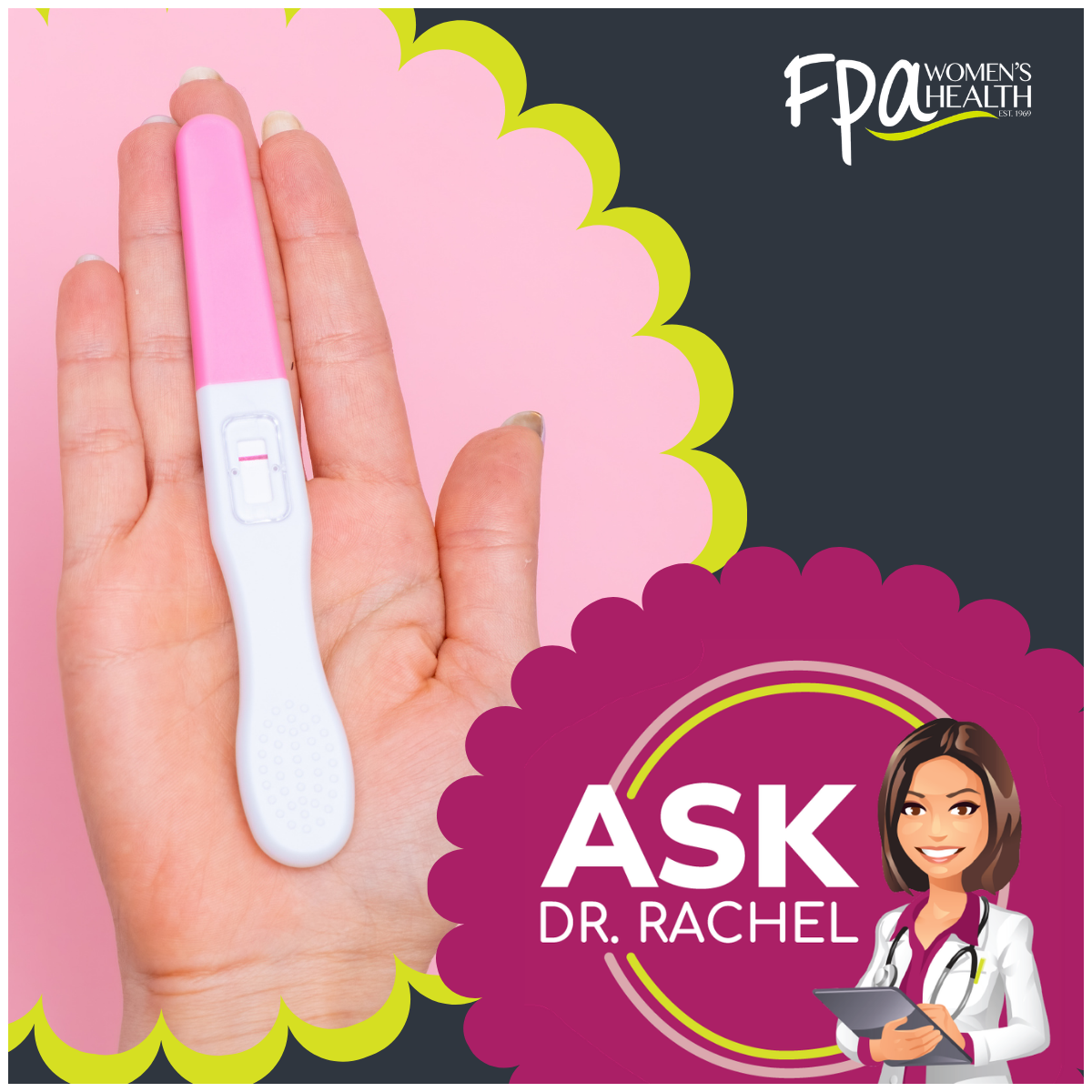
Ask Dr. Rachel: My period is two weeks late, but my pregnancy test is negative.
If your period is 2 weeks late but your pregnancy test is negative, you probably want a straight answer: could you still be pregnant, or is something else going on? Learn why home tests can be negative, other reasons your period may be late, when to test again, and when to come in for a clearer answer.
Can GLP-1 Medications Affect Birth Control?
In this edition of Ask Dr. Rachel, we’re answering a question more women are starting to ask: Can GLP-1 medications affect birth control, fertility, or pregnancy planning? Here’s what to know and what to discuss with your provider.
Essential Health Advice for Women in Their 40s
Stay proactive in your 40s with recommended screenings, breast health guidance, and menopause support. Book your well-woman exam at FPA today.

Rising Maternal Morbidity in the U.S. and the Role of Abortion Laws
How rising maternal morbidity in the U.S. is linked to abortion restrictions—and how California providers like FPA are helping protect access to care.
What Is Hormone Therapy—And Is It Right for Me?
Learn how hormone therapy can ease menopause symptoms like hot flashes and mood swings. Explore your options with FPA Women’s Health.