Need Support?
If you or someone you know needs support, information, or access to care, FPA is here to help. Contact us to learn more about available resources and how we can support you.
Anytime during business hours, M-F 8am to 5pm

Maternal morbidity refers to the health complications that occur during pregnancy, childbirth, or the postpartum period. It is a growing public health concern in the United States.
Despite being one of the wealthiest nations, the U.S. continues to see alarming increases in maternal morbidity and mortality, with particularly stark disparities for women of color.
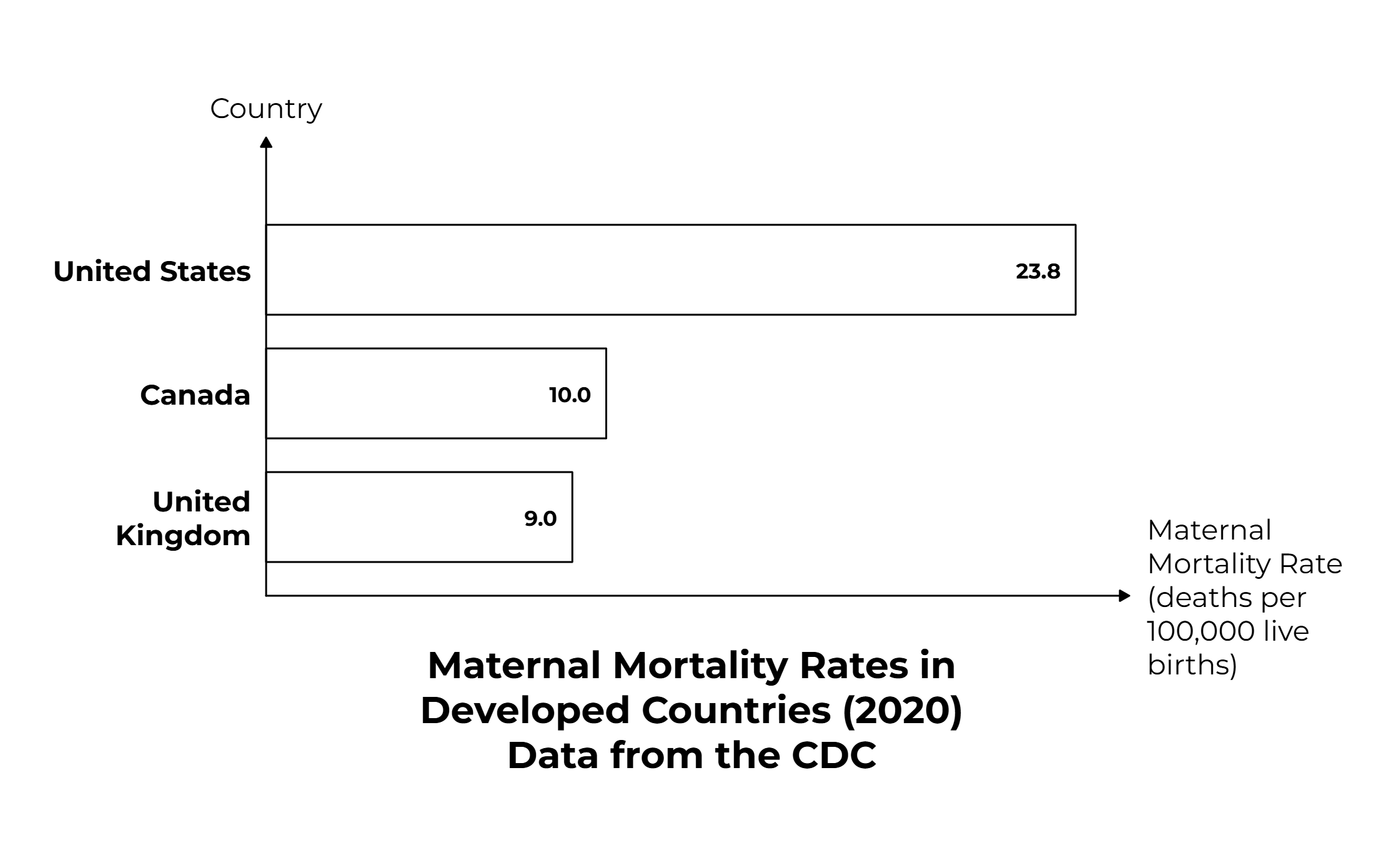 According to the CDC, the U.S. maternal mortality rate has more than doubled since 1987. In 2020, there were approximately 23.8 deaths per 100,000 live births, a rate significantly higher than in other developed countries such as Canada (10.0) and the United Kingdom (9.0).
However, the risks are not equally shared. Black women are three to four times more likely to experience pregnancy-related complications or death compared to white women. These disparities reflect systemic challenges in healthcare access, bias in medical treatment, and the influence of social determinants of health.
As more states implement restrictive abortion laws, maternal health outcomes are projected to decline further. Here’s why:
Abortion is essential healthcare. In fact, it's statistically safer than pregnancy/childbirth. When legal and safe abortion services are limited or banned, patients may turn to unsafe alternatives, increasing the risk of infection, trauma, and death.
In states with strict abortion laws, healthcare providers may delay necessary interventions during high-risk pregnancies out of fear of legal repercussions. This can increase the likelihood of severe complications or loss of life.
Unwanted or high-risk pregnancies can significantly affect a person's mental health. The inability to make informed choices about reproductive care contributes to long-term stress, anxiety, and depression.
Countries with lower maternal morbidity rates share several common approaches:
These systems prioritize preventive care and respect individual health needs, leading to better outcomes for mothers and families.
While much of the country restricts access to abortion, California stands out as a beacon of reproductive health rights. Our state not only protects abortion at the constitutional level, but has taken concrete steps to ensure that people from states with restrictive abortion laws can access safe, legal care.
State protections such as AB 1666, which shields patients from civil liability, and AB 2091, which strengthens medical privacy, help make California a secure place to receive reproductive healthcare. The state has also invested in support programs that assist with travel, transportation, and lodging, helping reduce the financial and logistical barriers patients may face when seeking care from out of state.
FPA Women’s Health plays a vital role in this mission by offering:
Rising maternal morbidity rates in the U.S. are driven by a complex mix of factors, including limited access to healthcare, chronic health conditions, and the growing impact of abortion restrictions.
California’s commitment to providing comprehensive reproductive health services, including support for patients traveling from out of state, reflects a proactive response to this crisis. As part of this effort, FPA plays a vital role in improving outcomes and helping reduce disparities in maternal health.
If you or someone you know needs support, information, or access to care, FPA is here to help. Contact us to learn more about available resources and how we can support you.
Share This
Get Help Now