Fragmented Reproductive Health Care: How to Get the Care You Need
California women face a fragmented reproductive health system. See what the data shows and how to find preventive, birth control & gynecology care.
Anytime during business hours, M-F 8am to 5pm

California women face a fragmented reproductive health system. See what the data shows and how to find preventive, birth control & gynecology care.
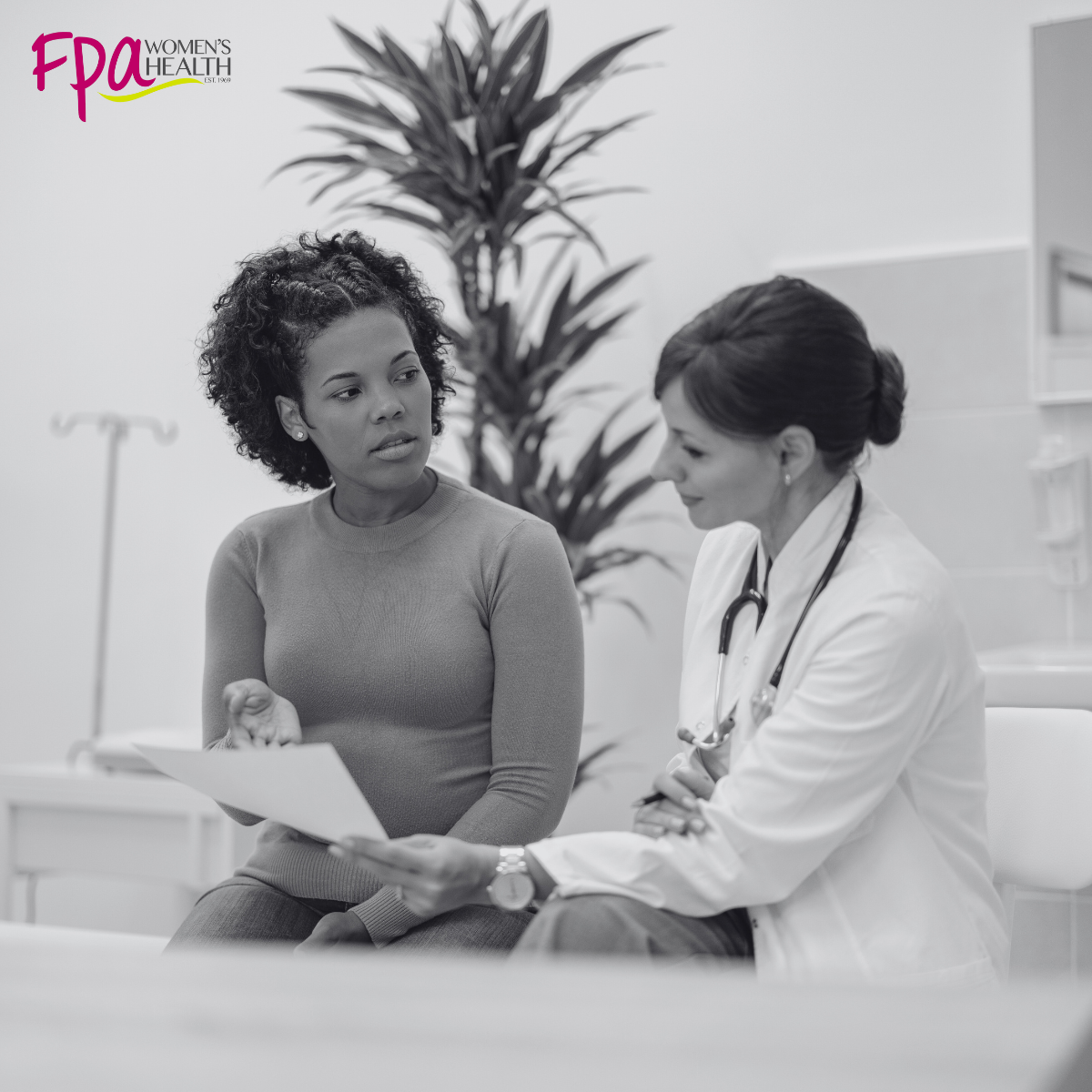
Can abortion cause infertility? Leading medical authorities say no. Learn from FPA Women’s Health how quickly fertility returns, what the research shows for both abortion pill and in-office care, and the rare exceptions.

How rising maternal morbidity in the U.S. is linked to abortion restrictions—and how California providers like FPA are helping protect access to care.

Learn what to expect after a surgical abortion, including recovery timelines, self-care tips, and answers to common questions about the recovery. Find guidance for a safe and smooth healing process.
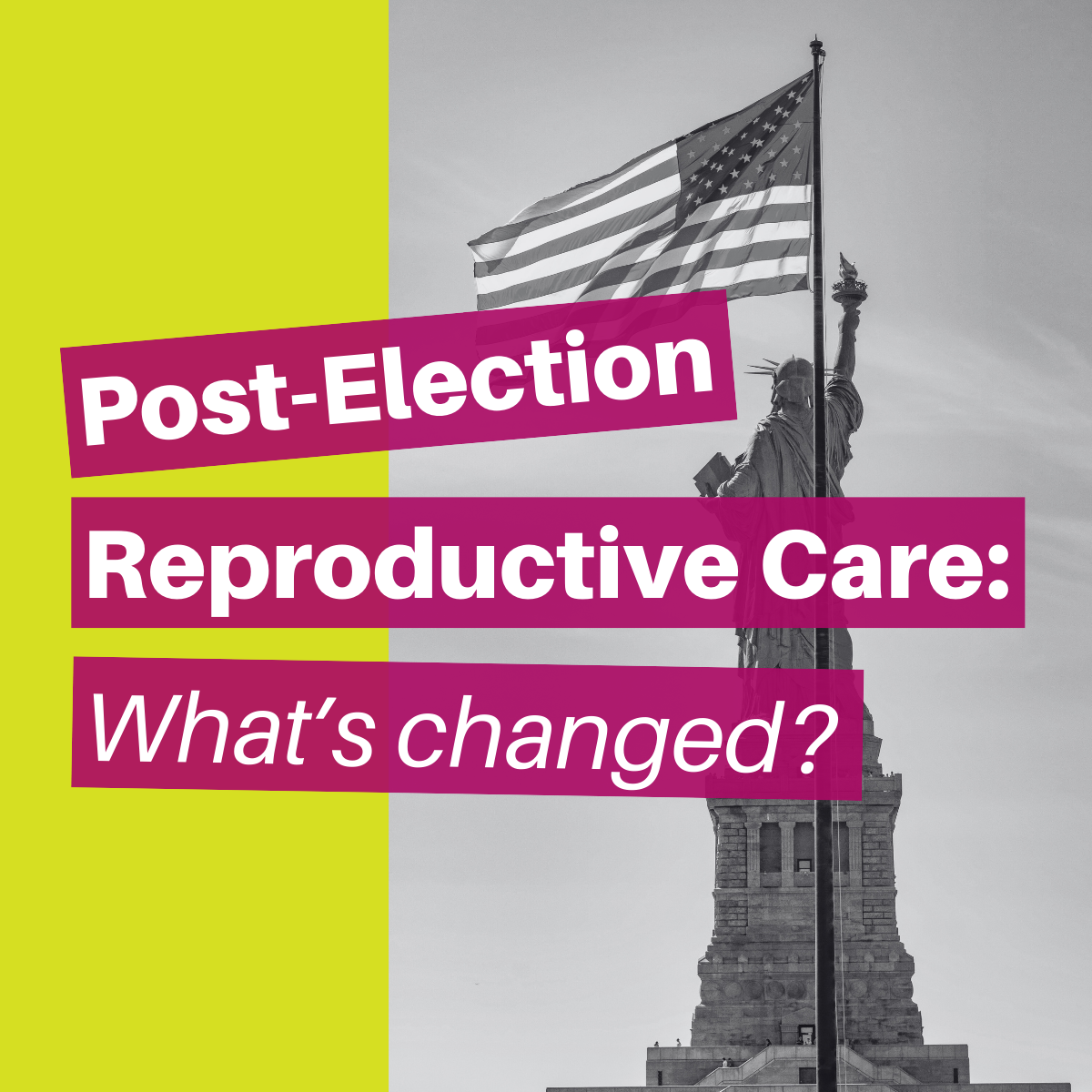
We address evolving abortion policies post-2024 election. Learn how California protects reproductive rights and access to abortion care amidst national uncertainty.

Abortion was a key topic in this election, and FPA Women’s Health remains dedicated to offering safe, legal services in California. Learn how we’re advocating for reproductive rights nationwide, and discover ways you can support abortion access.

Does an abortion hurt? We answer this common question and discuss pain management options for medical and surgical abortions. Learn more here.
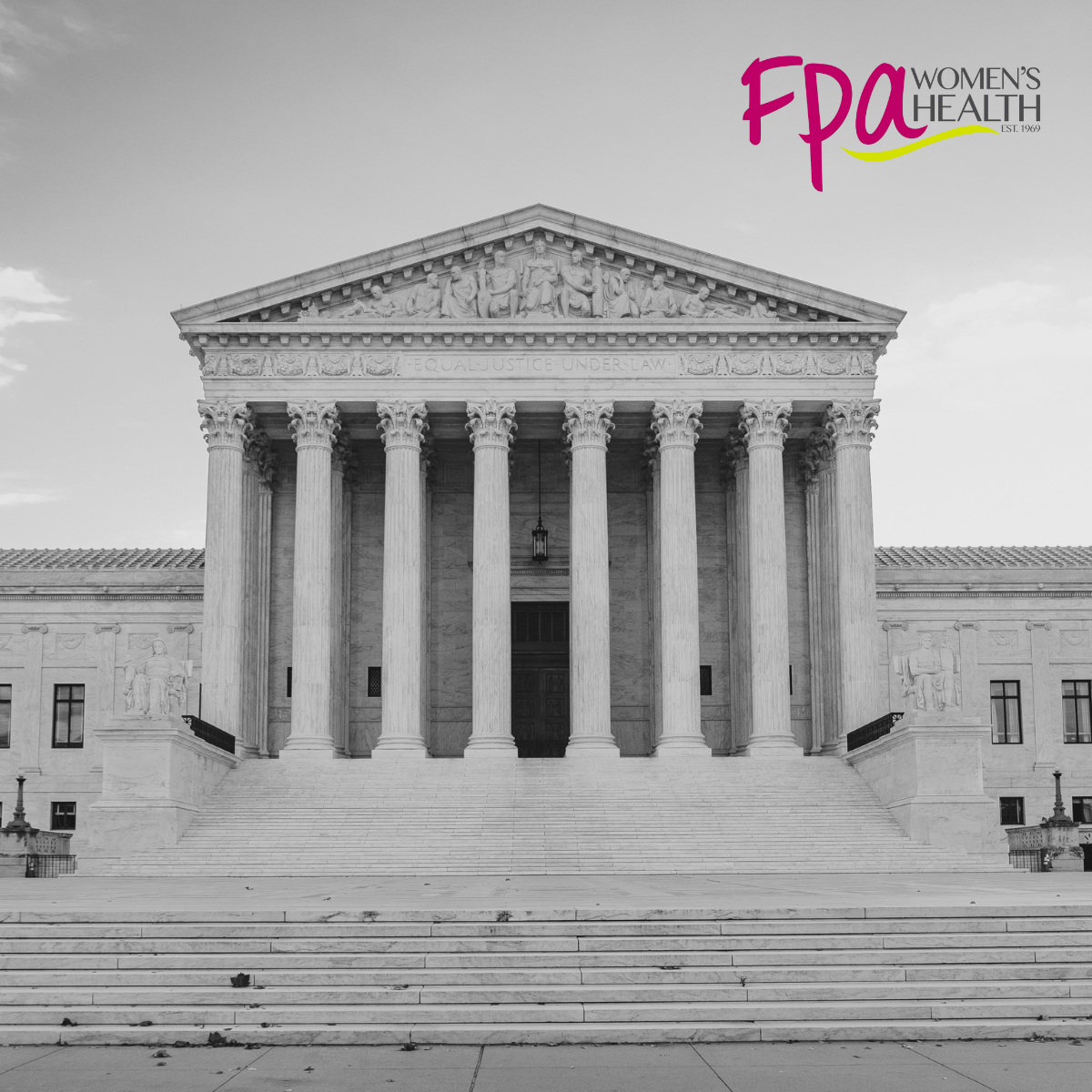
After mifepristone was challenged by a Texas judge in 2023, the Supreme Court will uphold FDA approval. Here's what was at stake and why FPA backs the medication.
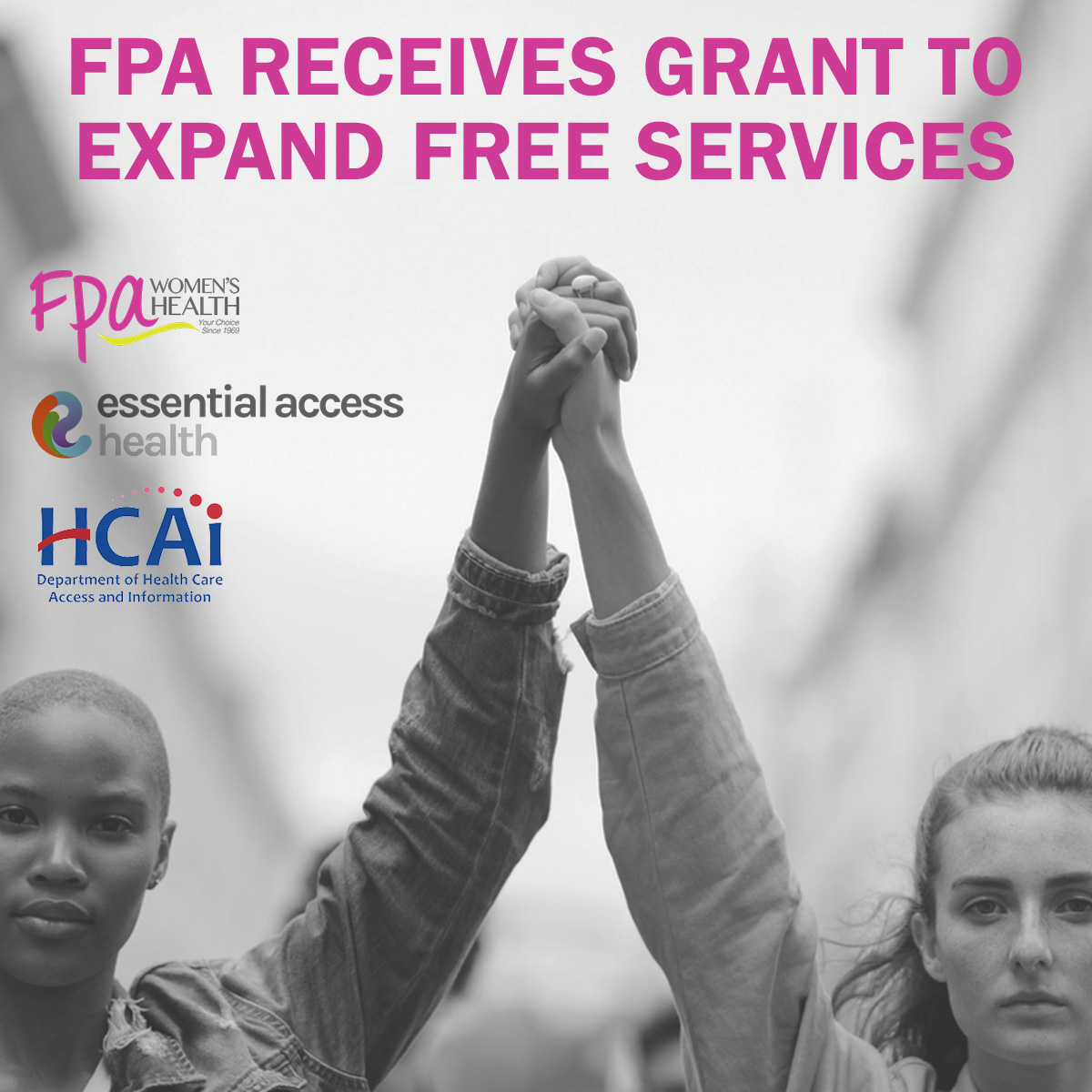
FPA Women's Health has been named a recipient of the Uncompensated Care grant. This funding means abortion and birth control services are available free of charge.
In a post-Roe era, FPA Women’s Health will continue to do what we have been doing for the past 53 years: Provide safe abortions.