Ready to explore hormone therapy?
Take the next step in treating menopause or perimenopause symptoms. With more than 20 locations across California, compassionate care is always within reach.
Anytime during business hours, M-F 8am to 5pm
 Menopause is one of those life phases that often arrives quietly but shifts your daily rhythms in unexpected ways. One minute you're managing your day, and the next you're peeling off layers in a meeting, wide awake at 3 a.m., or wondering why your emotions are riding a rollercoaster.
More and more women are opening up about this stage of life, helping to break the silence and stigma around it.
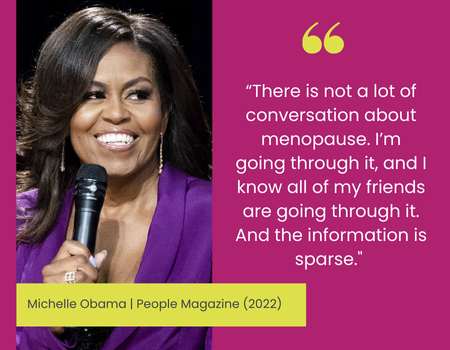
Former First Lady Michelle Obama has shared her candid experience with perimenopause, including weight fluctuations and intense hot flashes. She emphasized the value of Hormone Therapy in helping her regain balance during this time.
Her openness is part of a growing movement to normalize conversations around menopause—and to encourage women to seek support, not just "tough it out."
Her message resonates with so many women who are searching for real solutions—and that’s where personalized care becomes essential.
At FPA Women’s Health, we provide comprehensive, evidence-based Hormone Therapy and non-hormonal options to navigate menopause and perimenopause.
Hormone Therapy is a treatment that supplements your body with hormones that decline during menopause.
As women age, estrogen levels gradually decrease, especially during perimenopause and menopause. This hormonal decline leads to a range of symptoms—many of which can impact daily life. This transition can start as early as your 40s and continues well into your 50s and beyond.
There are a few types of hormone therapy:
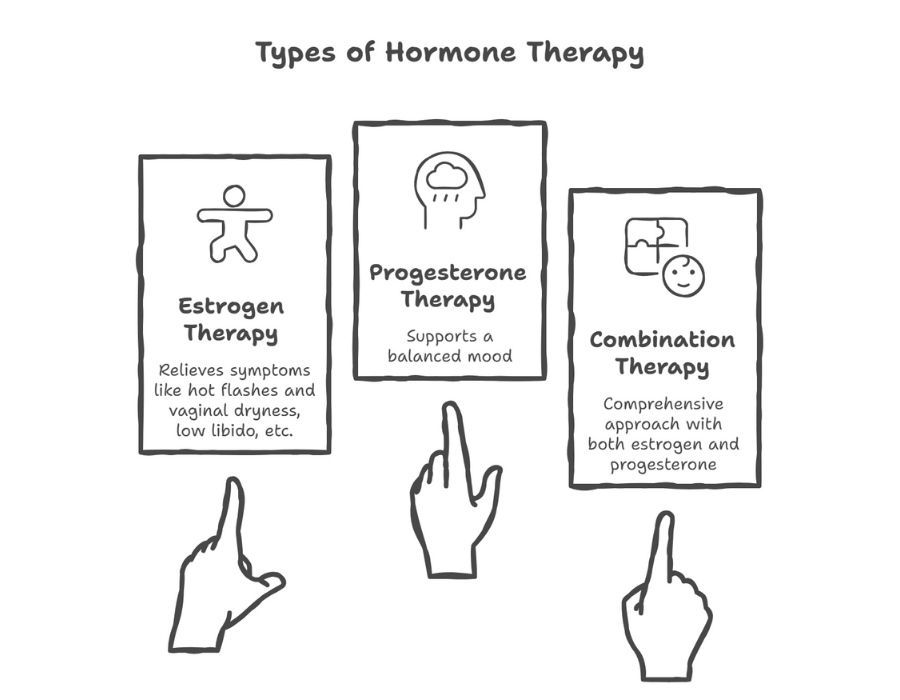
Estrogen Therapy (ET): Helps relieve symptoms related to estrogen decline, such as hot flashes, night sweats, and vaginal dryness.
Progesterone Therapy (PT): May be added to balance hormone levels, support mood, and protect long-term health, depending on your specific risk factors.
Hormones can be delivered through pills, patches, creams, vaginal rings, or localized low-dose therapies, depending on your lifestyle and medical needs.
Research shows that hormone therapy often works best when it’s started before age 60 or within about 10 years of menopause. At FPA Women’s Health, we work closely with you to understand your timing, symptoms, and health history so we can make thoughtful, personalized decisions together.
Replenishing estrogen and progesterone levels can ease symptoms like hot flashes, mood swings, and sleep disruptions—helping you feel more balanced, more comfortable, and more like yourself again.
Many patients find Hormone Therapy to be life changing.
It’s the most effective option for managing hot flashes and night sweats, vaginal dryness and discomfort during sex, mood swings, brain fog, and sleep issues, and the prevention of osteoporosis.
By restoring hormone balance, HT can help improve your comfort, emotional wellness, and quality of life.
At FPA, our care is always personalized. Not everyone is a candidate for estrogen-containing therapy, especially those with:
For these individuals, FPA offers safe, evidence-based alternatives, such as:
Our clinicians use the latest clinical guidelines to ensure safety, effectiveness, and personalization. Every treatment decision is based on a thorough evaluation of your symptoms and risk factors.
 Feel Like Yourself Again
 If hot flashes are interrupting your sleep, your mood feels off, or you just don’t feel like yourself lately, you’re not alone—and you don’t have to push through it without support.
Whether you’re just starting to explore Hormone Therapy or want to understand your non-hormonal options, the team at FPA Women’s Health is here to help you figure out what’s right for you. We’ll listen, answer your questions, and work with you to create a plan that fits your body and your life.
Take the next step in treating menopause or perimenopause symptoms. With more than 20 locations across California, compassionate care is always within reach.
This post is part of Ask Dr. Rachel, an ongoing Q&A series where Dr. Rachel answers your questions about women’s health—anonymously and with care. Got a question? Email us at AskDrRachel@fpawomenshealth.com and it may be featured in a future post.
Share This
Get Help Now