Text Us for Assistance ×

Anytime during business hours, M-F 8am to 5pm

Bakersfield

661-633-5266

Berkeley

510-899-7099

Canoga Park

818-444-9870

Chula Vista

858-547-7100

Corona

951-637-2100

Downey

562-862-5121

East LA

323-201-9343

Fresno

559-233-8657

Glendale

818-502-1341

Hesperia - Coming Fall 2026

760-321-5647

Inglewood

323-987-8879

Lancaster

661-371-2629

Long Beach

562-595-5653

Los Angeles (Downtown)

213-738-7283

Mission Hills

818-893-6949

Modesto

209-578-0443

Oxnard

805-822-5879

San Bernardino

909-885-0282

Santa Ana

657-859-5463

Santa Monica

310-820-8084

Stockton

209-588-2997

Tarzana

818-502-1550

Temecula

951-296-0454

Torrance

310-373-1042

Tulare

559-233-0990

Upland

909-626-2463

West Covina

626-572-8800

A Historic Election for Women, and What It Means for Reproductive Health Care

AdobeStock_727188963.jpeg

Every day I see what happens when health policy meets real life: a patient who has to drive hours for care, a teenager unsure where to turn, a family waiting on a decision that should be between a patient and her clinician. The November 3 election mattered to the people in our exam rooms, so I want to say something about it.

Women Broke Through in Both Parties

Voters in a record 17 states elected a woman governor, according to Rutgers University’s Center for American Women and Politics, as reported by ABC News. The number of women holding statewide office reached a new high of 101, and at least 18 Black women will serve in statewide executive office, up from an earlier record of 11.

The firsts are worth naming:

  • Deb Haaland became the first Native American woman elected governor in the nation’s history (Albuquerque Journal).
  • Keisha Lance Bottoms became the first Black woman elected governor in U.S. history, and Georgia’s first female governor (CBS News).
  • Amy Acton will become Ohio’s first elected female governor (Albuquerque Journal).
  • Republican Marsha Blackburn is projected to become the first woman to win a Tennessee governor’s race (ABC News).
  • Annie Andrews is projected to be South Carolina’s first elected female senator (ABC News).
  • Melat Kiros became the first Black woman elected to Congress from Colorado (ABC News).

Women’s leadership is not one party’s story. Each of these women proved something to a girl who is watching, and to the clinicians and patients who count on leaders who understand women’s lives.

Voters Spoke Directly on Reproductive Rights

Of the four states that voted on abortion, three came down on the side of access, while Idaho voted to keep its abortion ban. Here is how each vote came out (KFF):
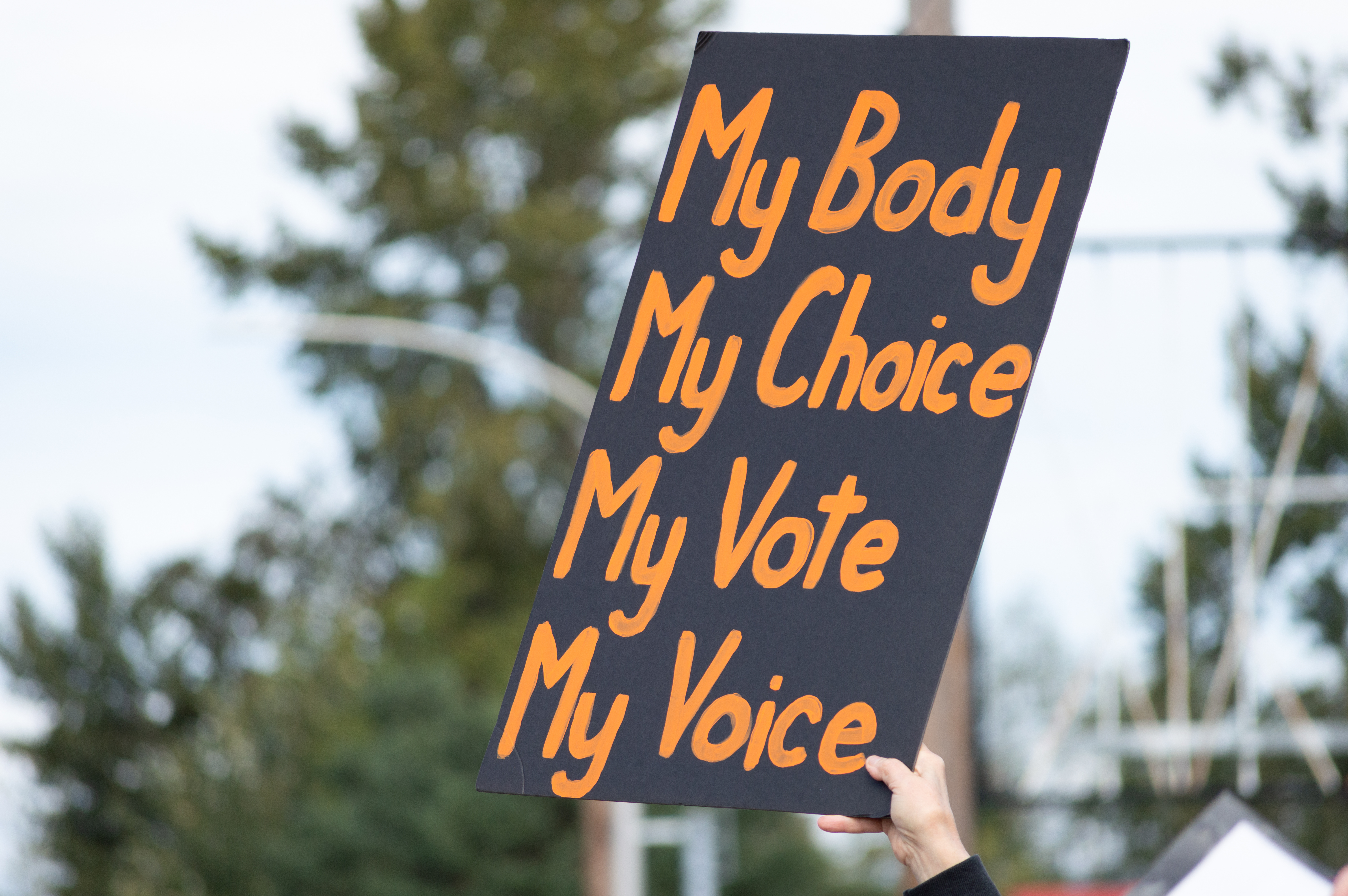
  • Nevada: Question 6 passed with about 63 percent of the vote, adding a right to abortion to the state constitution. It was the second approval the state requires for a constitutional amendment.
  • Virginia: Question 1 passed with about 62 percent, adding the right to reproductive freedom, including abortion, contraception, and miscarriage care, to the state constitution.
  • Missouri: Voters rejected Amendment 3, with about 56 percent voting no, which keeps in place the abortion rights voters approved in 2024.
  • Idaho: Voters rejected Proposition 1, with about 56 percent voting no. The measure would have established a right to abortion before viability, so the state’s near-total ban remains.

AdobeStock_487655091.jpeg

What This Could Mean for Care

Democrats will take control of both the Senate and the House, flipping key Senate seats in Texas, South Carolina, and North Carolina. Final counts are still being settled, according to ABC7 News and CBS News.

A new Congress doesn’t change the law overnight. A president can still veto legislation, and many of the biggest decisions now sit with states, courts, and federal agencies. Here is what I think this election makes more likely:

  • A firewall against new national restrictions. A Democratic Congress is far less likely to advance a federal abortion ban or to cut off funding for clinics that serve patients.
  • Oversight. Committees can examine how federal agencies handle medication access, contraception coverage, and Title X family planning.
  • Stronger protection for patients and providers. Protections for medical records, clinicians, and cross-state care were already priorities in California, where we’ve worked to guard sensitive information. A friendlier Congress improves the odds that others follow.
  • Momentum for the states. The ballot results show that when voters are asked directly about reproductive rights, they often choose to protect access.

None of this replaces what we do every day: seeing patients, answering their questions, and treating them with dignity. As a physician, I’m heartened to see more women at decision tables, and to see voters value health care that protects the patient-clinician relationship.

If you have questions about your care or your options, our team is here for you.

Book with Confidence

Book your appointment online or contact your nearest FPA Women’s Health location to learn more about pain-management options for select gynecological procedures.

Book Your Appointment Online